
How AI Is Introducing New Instability to the Internet
AI is placing unprecedented strain on the infrastructure that powers the internet. Recent outages and service disruptions are early warning signs of a deeper issue—the internet was never designed to handle the scale, speed, and behavior of AI-driven systems.
By Savvy Dealer Team
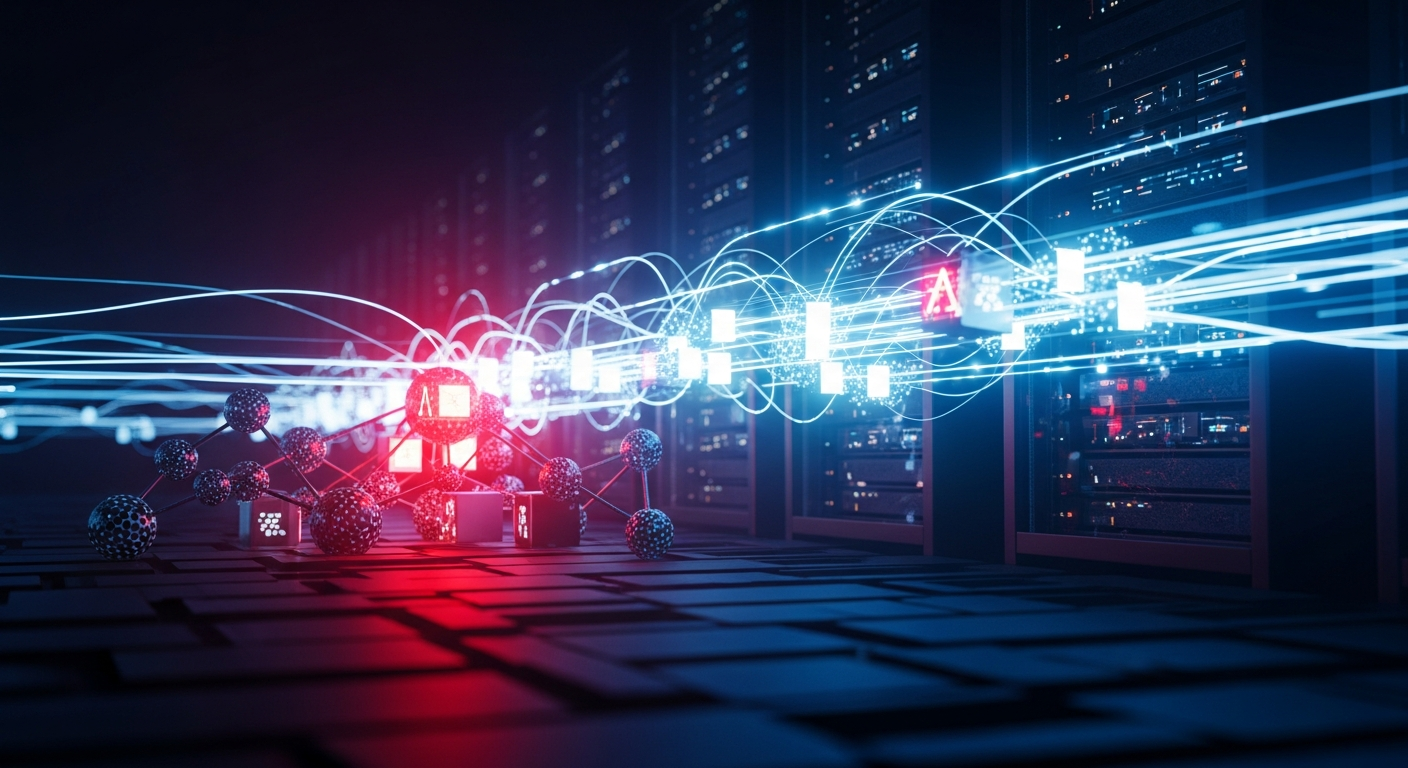
Artificial intelligence is transforming how businesses operate online, from customer support and marketing automation to data analysis and software development. But behind the scenes, AI is also placing unprecedented strain on the infrastructure that powers the internet itself.
Recent outages and service disruptions affecting major platforms and providers are not random events. They are early warning signs of a deeper issue—the internet was never designed to handle the scale, speed, and behavior of AI-driven systems.
The Internet Was Built for People, Not Autonomous Systems
For decades, the web evolved around human behavior. People browse websites, click links, watch videos, and log off. Traffic patterns were uneven but predictable, and growth was gradual.
AI changes this model entirely.
AI systems operate continuously. They generate massive volumes of automated requests, analyze and reprocess data in real time, and interact with online services at machine speed. Unlike human users, AI tools do not pause, sleep, or slow down during peak hours.
This shift from human-driven traffic to machine-driven traffic is one of the most significant structural changes the internet has ever faced.
Why Infrastructure Providers Are Feeling the Strain
Companies like Cloudflare play a critical role in keeping the internet stable. They manage traffic, protect websites from attacks, and absorb sudden surges in demand. Historically, these surges were caused by viral events or malicious activity.
AI introduces a new challenge—traffic that is legitimate, but overwhelming.
Large-scale AI training, automated data collection, and constant API usage generate request patterns that resemble coordinated attacks, even when they are not. This forces infrastructure providers to make difficult trade-offs, often throttling or restricting access to maintain stability.
The result can include:
- Slower site performance
- Partial outages
- Service interruptions that affect thousands of downstream businesses
AI Platforms Are Becoming Mission-Critical Infrastructure
AI platforms are no longer experimental tools. Many businesses now rely on them for day-to-day operations, including customer interactions, lead generation, analytics, and internal workflows.
When these AI services experience downtime, the impact ripples outward:
- Marketing campaigns stall
- Customer support systems go offline
- Internal processes freeze
Because many AI platforms are centralized and depend on a limited number of cloud providers, outages can cascade quickly across the digital economy.
Automated Systems Can Amplify Outages
Another challenge is how AI systems respond to failure.
When a service slows down or becomes unavailable, automated tools often retry requests aggressively, trigger fallback systems, or deploy additional agents to compensate. These reactions happen instantly and at scale, sometimes intensifying the original problem.
What might have been a minor disruption can escalate into a broader outage when thousands of automated systems respond simultaneously.
This Is an Architecture Problem, Not an AI Problem
AI itself isn't the issue. The problem lies in how quickly AI has been layered onto an internet architecture that wasn't built for autonomous, high-frequency, machine-to-machine communication.
The current system is being pushed beyond its original design assumptions. While short-term fixes like caching, rate limiting, and access controls help, they don't address the underlying mismatch between modern AI workloads and legacy internet infrastructure.
What This Means for Businesses
In the near future, businesses should expect:
- Increased rate limiting and access restrictions
- More frequent service disruptions tied to upstream providers
- Greater separation between human and machine traffic
- New costs associated with AI access and infrastructure
Longer term, the internet will need to evolve—through better protocols, decentralized systems, and more resilient architectures—to support an AI-driven world.
The Bottom Line
AI is reshaping the internet at a foundational level. The instability we're seeing today is not a sign that the system is failing—it's a sign that it's being forced to evolve faster than ever before.
For businesses, understanding these shifts is critical. The companies that adapt early—by building resilient systems, diversifying dependencies, and planning for infrastructure volatility—will be better positioned as AI continues to redefine the digital landscape.
Need help future-proofing your dealership's digital presence? At Savvy Dealer, we build websites and marketing systems designed for stability and performance. Contact us to learn how we can help.